Anthony G. Ferry Inc. Explains How to Prevent Electrical Failures
Jul 14, 2026
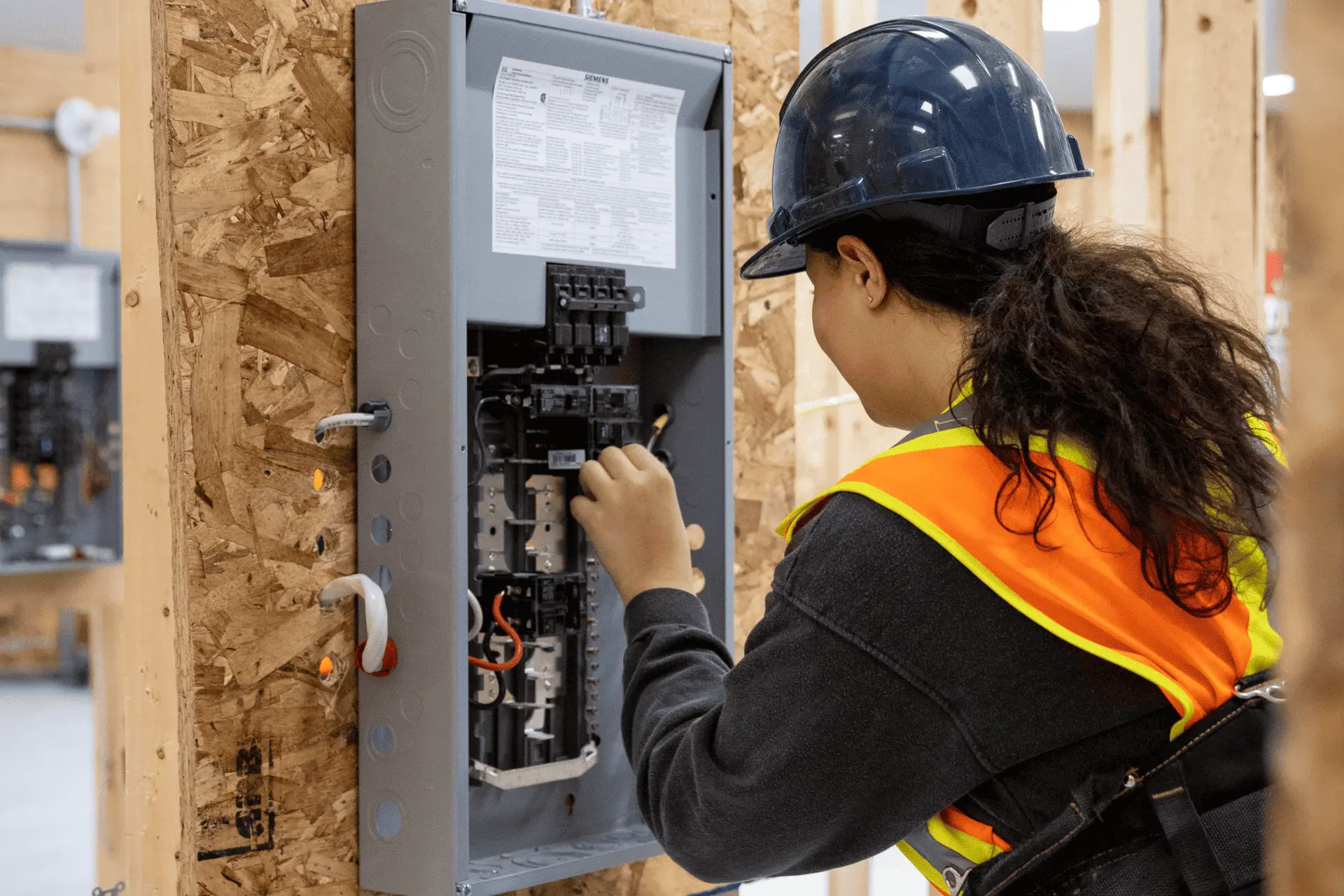
Electrical failures can stop your business without warning. A sudden power loss can shut down equipment, interrupt daily work, and create safety risks. Many electrical problems start with small issues that are easy to miss. When you spot these signs early, you can avoid expensive repairs and unexpected downtime. Anthony G. Ferry Inc. has worked with commercial electrical systems for many years and knows that regular maintenance plays a big part in keeping buildings powered safely. The right steps today can help you avoid larger problems tomorrow.
Schedule Regular Electrical Inspections
One of the best ways to prevent electrical failures is to inspect your system on a regular schedule.
Anthony G. Ferry Inc. recommends having a licensed electrician inspect your electrical panels, wiring, breakers, and outlets at least once a year. Older buildings or facilities with heavy equipment may need inspections more often.
For example, a loose wire inside an electrical panel may seem like a small issue. Over time, that loose connection creates heat that damages nearby parts. Fixing the problem during an inspection takes little time compared to replacing damaged equipment later.
Pay Attention to Warning Signs
Your electrical system often shows signs before a failure happens.
Watch for problems such as flickering lights, breakers that trip often, burning smells near outlets, buzzing sounds from electrical panels, warm switches or outlets, and power interruptions in certain areas.
Anthony G. Ferry Inc. often finds that businesses ignore these warning signs because the equipment still works. Waiting too long can turn a simple repair into a costly project.
If you notice any of these issues, arrange an inspection before the problem grows.
Avoid Overloading Circuits
Many electrical failures happen because circuits carry more power than they were built to handle.
Modern businesses rely on computers, printers, servers, kitchen equipment, HVAC systems, and charging stations. Older electrical systems may not support today's power needs.
Anthony G. Ferry Inc. encourages business owners to review their electrical capacity before installing new equipment. Spreading electrical loads across different circuits helps reduce heat and lowers the chance of breaker trips.
Planning ahead protects both your equipment and your electrical system.
Replace Aging Electrical Equipment
Electrical equipment does not last forever.
Panels, breakers, switches, and wiring become less reliable as they age. Even if they appear to work normally, older components may fail without much warning.
Anthony G. Ferry Inc. has completed many panel upgrades for businesses dealing with repeated power interruptions. In many cases, replacing outdated equipment solved problems that temporary repairs could not fix.
If your building still uses an older electrical panel, it may be time to consider an upgrade.
Keep Electrical Panels Clean and Easy to Access
Electrical panels should always remain clean and accessible.
Avoid storing boxes, tools, or supplies in front of electrical panels. During an emergency, electricians need immediate access to the system.
Dust and dirt can also build up inside electrical rooms. Too much debris may trap heat around electrical components.
Anthony G. Ferry Inc. recommends keeping electrical rooms organized and having professionals inspect them during routine maintenance visits.
A clean workspace makes inspections easier and helps reduce unexpected issues.
Protect Your Electrical System From Water
Water can damage electrical equipment quickly.
Leaks from roofs, pipes, or windows may allow moisture to enter electrical panels and junction boxes. This can lead to corrosion, short circuits, and equipment failure.
Anthony G. Ferry Inc. advises property owners to inspect areas around electrical equipment after heavy rain or plumbing repairs. Finding moisture early can prevent larger electrical problems.
If flooding affects your building, have the electrical system inspected before restoring power.
Test Backup Generators
Many businesses depend on backup generators during power outages.
A generator only helps if it works when you need it.
Anthony G. Ferry Inc. recommends testing generators on a regular schedule. Fuel levels, batteries, filters, and transfer switches should also receive routine service.
Businesses such as hospitals, warehouses, office buildings, and manufacturing facilities often rely on backup power to keep daily operations running.
Regular testing gives you confidence that your generator will perform during an emergency.
Train Employees to Report Problems
Employees notice electrical issues before anyone else because they work around the equipment every day.
Encourage your team to report flickering lights, unusual sounds, burning smells, or warm outlets as soon as they notice them.
Anthony G. Ferry Inc. believes early reporting helps prevent larger repairs and reduces downtime.
Creating a simple reporting process allows maintenance teams to respond quickly before small issues become major failures.
Follow a Preventive Maintenance Plan
Preventive maintenance helps keep electrical systems in good condition throughout the year.
Routine maintenance includes inspecting electrical panels, tightening loose connections, testing breakers, cleaning equipment, and checking system performance.
Anthony G. Ferry Inc. has seen how regular maintenance helps businesses avoid emergency repairs and unexpected power interruptions.
Instead of waiting for equipment to fail, schedule maintenance throughout the year and keep detailed service records.
Work With Licensed Electrical Professionals
Electrical repairs require experience, training, and knowledge of current electrical codes.
Hiring qualified professionals helps ensure repairs and upgrades are completed safely and correctly.
Anthony G. Ferry Inc. works with businesses to inspect electrical systems, complete upgrades, and provide reliable maintenance that supports long-term performance.
Choosing experienced electricians today can help prevent expensive electrical failures in the future.
Electrical failures rarely happen without warning. Small signs often appear first, giving you time to act before serious damage occurs. By scheduling inspections, replacing aging equipment, avoiding overloaded circuits, testing backup systems, and following a regular maintenance plan, you can protect your building and keep operations running smoothly. Anthony G. Ferry Inc. continues to help businesses prevent electrical failures through professional inspections, quality workmanship, and dependable electrical services that keep commercial properties powered safely.


